
after only 14 days
Increase in CTR
Reducing Ad Spend
1. Attribution Tracked Only Part of the Funnel
The company’s Google Ads conversion tracking logged account creations but stopped there. PPC campaigns optimized for the cheapest possible conversion: sign-ups that almost never upgraded to paid plans. There was no strategy linking ad spend to downstream revenue, so the paid search management team had no visibility into which campaigns actually produced paying customers. The previous agency’s answer to every question was cheaper leads.
The company’s Google Ads conversion tracking logged account creations but stopped there. PPC campaigns optimized for the cheapest possible conversion: sign-ups that almost never upgraded to paid plans. There was no strategy linking ad spend to downstream revenue, so the paid search management team had no visibility into which campaigns actually produced paying customers. The previous agency’s answer to every question was cheaper leads.
2. Optimizing for the Cheapest Leads Instead of the Most Valuable Ones
The previous agency never asked what the client needed from performance marketing. Their answer to every question was cheaper leads. But those leads only signed up for the free tier and never upgraded. Cost per lead and cost per click were low. Cost per paying customer was invisible, because nobody tracked it.
The company’s Google Ads conversion tracking logged account creations but stopped there. PPC campaigns optimized for the cheapest possible conversion: sign-ups that almost never upgraded to paid plans. There was no strategy linking ad spend to downstream revenue, so the paid search management team had no visibility into which campaigns actually produced paying customers. The previous agency’s answer to every question was cheaper leads.
2. Testing Landing Page Length to Find What Converted
The previous agency never asked what the client needed from performance marketing. Their answer to every question was cheaper leads. But those leads only signed up for the free tier and never upgraded. Cost per lead and cost per click were low. Cost per paying customer was invisible, because nobody tracked it.
The previous agency never asked what the client needed from performance marketing. Their answer to every question was cheaper leads. But those leads only signed up for the free tier and never upgraded. Cost per lead and cost per click were low. Cost per paying customer was invisible, because nobody tracked it.
1. Full-Funnel Attribution to Find Leads That Actually Convert
Opascope built a full-funnel attribution system using advanced segments in Google Analytics, Google Ads data, and the client’s CRM. The view now ran from ad click to paying customer, revealing which campaigns and keywords on Google Search drove actual revenue.
Opascope built a full-funnel attribution system using advanced segments in Google Analytics, Google Ads data, and the client’s CRM. The view now ran from ad click to paying customer, revealing which campaigns and keywords on Google Search drove actual revenue.
2. Testing Landing Page Length to Find What Converted
Opascope tested landing page variations across length, content type, and audience fit. Shorter pages converted at higher rates, but only when longer pages ran alongside them. The longer pages educated traffic that wasn’t ready to convert, warming the broader audience and lifting overall conversion.
Opascope tested landing page variations across length, content type, and audience fit. Shorter pages converted at higher rates, but only when longer pages ran alongside them. The longer pages educated traffic that wasn’t ready to convert, warming the broader audience and lifting overall conversion.
3. Separate Paths for Enterprise Buyers and Individual Users
Rather than forcing enterprise prospects and individual users through the same funnel, Opascope introduced conversion paths tailored to each audience: self-serve for individuals, sales-assisted for enterprise. Leads routed to the sales team increased more than 20x.
Rather than forcing enterprise prospects and individual users through the same funnel, Opascope introduced conversion paths tailored to each audience: self-serve for individuals, sales-assisted for enterprise. Leads routed to the sales team increased more than 20x.

Contrary to popular belief, Lorem Ipsum is not simply random text. It has roots in a piece of classical Latin literature from 45 BC, making it over 2000 years old. Richard McClintock, a Latin professor at Hampden-Sydney College in Virginia, looked up one of the more obscure Latin words, consectetur, from a Lorem Ipsum passage, and going through the cites of the word in classical literature, discovered the undoubtable source.
Contrary to popular belief, Lorem Ipsum is not simply random text. It has roots in a piece of classical Latin literature from 45 BC, making it over 2000 years old. Richard McClintock, a Latin professor at Hampden-Sydney College in Virginia, looked up one of the more obscure Latin words, consectetur, from a Lorem Ipsum passage, and going through the cites of the word in classical literature, discovered the undoubtable source.

Contrary to popular belief, Lorem Ipsum is not simply random text. It has roots in a piece of classical Latin literature from 45 BC, making it over 2000 years old. Richard McClintock, a Latin professor at Hampden-Sydney College in Virginia, looked up one of the more obscure Latin words, consectetur, from a Lorem Ipsum passage, and going through the cites of the word in classical literature, discovered the undoubtable source.
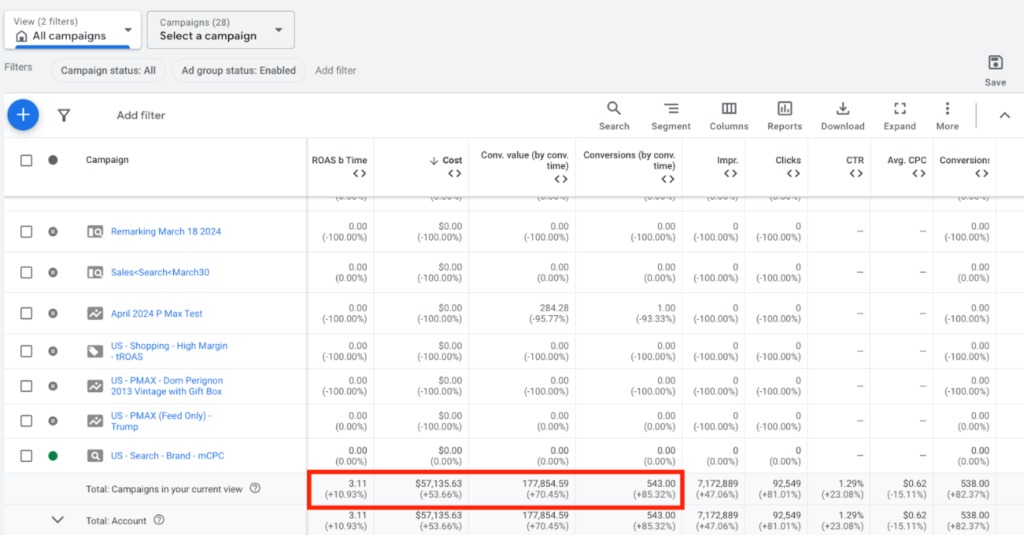
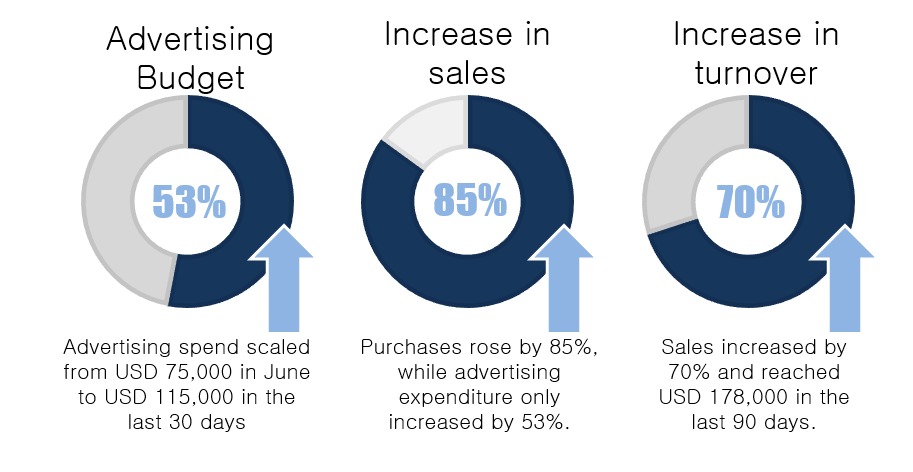
A closer look into live Google Ads performance — from campaign optimization to conversion growth. These insights highlight the impact of data-backed marketing strategies.